If you have already done the Masai Mara, you know the drill. Wall-to-wall vehicles at a leopard sighting, a radio crackling every few minutes, and a guide who knows exactly where the action is because ten other guides already told him. Meru National Park is the opposite of that. This Meru National Park safari guide exists because most Kenyan tour operators barely mention the park at all.
That is not an accident. Meru is harder to sell. The wildlife density is lower than Samburu, the roads take longer to drive, and there is no guaranteed lion-on-a-kill moment for the brochure. But if you have already ticked off the Big Five and want to feel like Kenya still has quiet corners, Meru delivers something the Mara cannot: space, silence, and rivers you will likely have entirely to yourself.
This guide gives you the real numbers. Distances, park fees, camp prices, and an honest comparison against Samburu and the Mara, so you can decide if Meru fits your next trip.
Where Is Meru National Park and How Do You Get There
Meru National Park sits in eastern Kenya, about 348 km from Nairobi by road. Most self-drive or shared transfer routes go through Nanyuki and Meru town, taking roughly 5 to 6 hours depending on the state of the Meru-Maua road, which has rough patches in the rainy months.
Flying is faster and more comfortable. Light aircraft leave Nairobi’s Wilson Airport for Kina Airstrip inside the park, a flight of about 60 to 75 minutes. Expect to pay in the range of USD 200 to 300 per person one way, though this varies by season and operator, so treat it as an indicative figure rather than a fixed price.
Meru is also the anchor of a much bigger wild landscape. It connects to Bisanadi National Reserve, Kora National Park, and Mwingi National Reserve, together covering well over 5,000 square kilometers of largely unfenced bush. Meru itself is about 870 square kilometers, small compared to that combined ecosystem.
Best Time to Visit
The dry seasons, from June to October and again from January to February, give you firmer roads and easier river crossings. Vegetation thins out too, which helps with spotting game in a park where thick riverine bush already makes viewing harder than in open grassland parks.
The rains, roughly March to May and November, turn Meru green and dramatic, with the Tana and Rojoweru rivers running full. Roads get muddy and some sections become impassable without a serious 4×4. Birdlife peaks in this period, so if photography matters more to you than easy game drives, the rains have their own reward. If you are weighing exact months, it helps to compare timing with the best month for Samburu photography, since the two parks follow similar rainfall patterns but peak slightly differently for wildlife visibility.
Wildlife and the Big Five in Meru
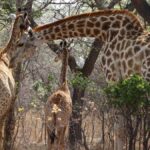
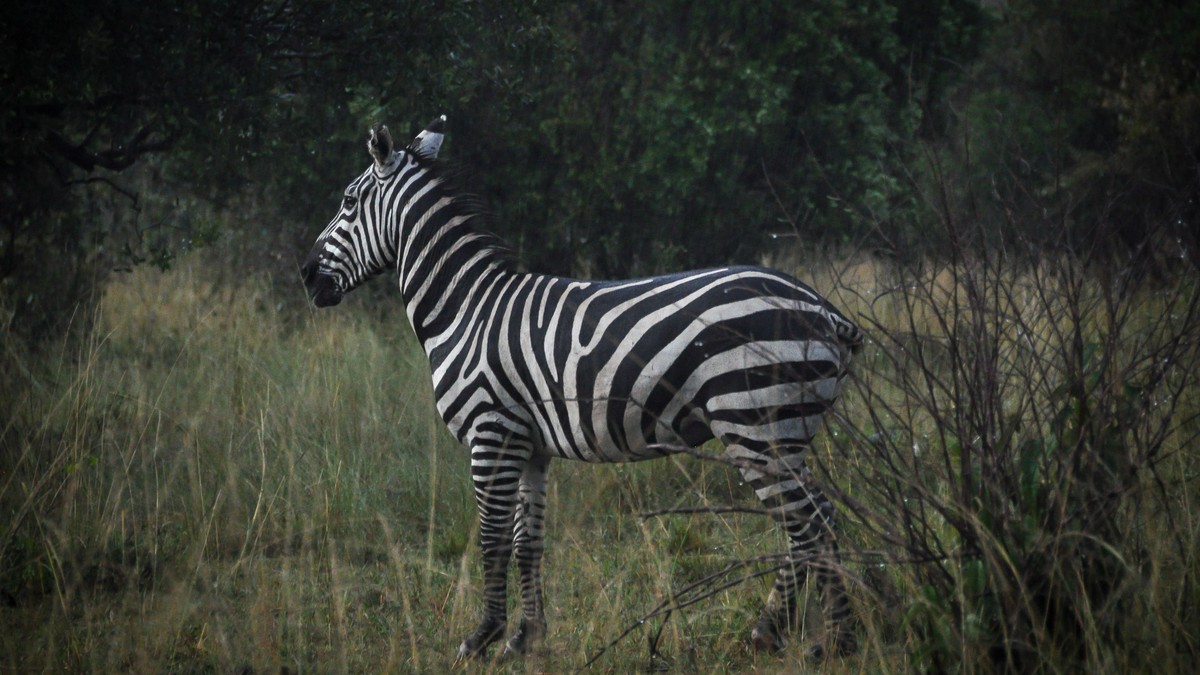
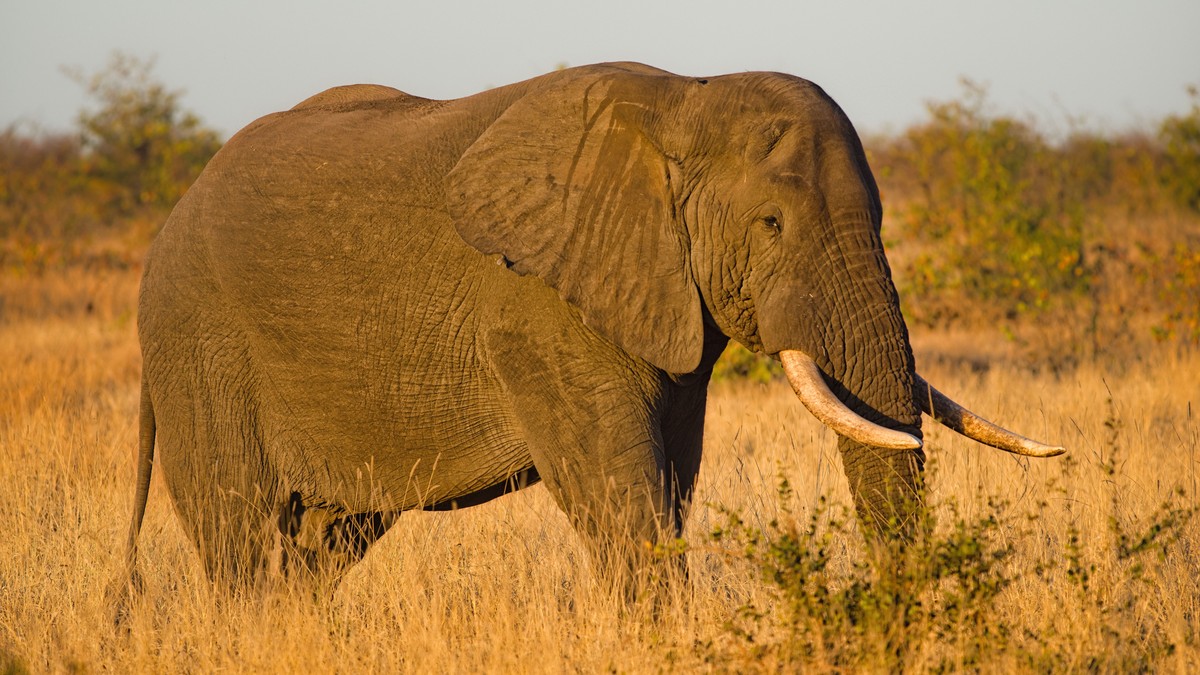
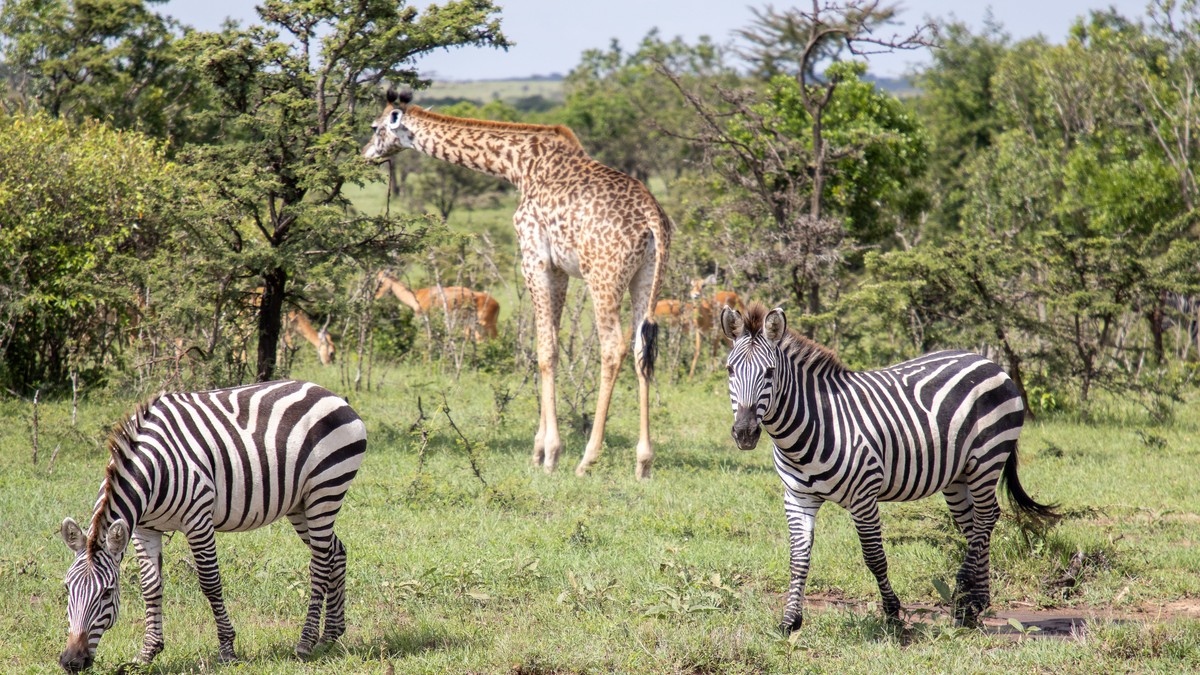
Meru holds all of the Big Five, including a fenced rhino sanctuary protecting both black and white rhino, reintroduced after the poaching crisis of the 1980s and 1990s nearly wiped the population out. Outside the sanctuary you will find elephant, buffalo, lion, and leopard, along with reticulated giraffe, Grevy’s zebra, and the striking gerenuk, all species shared with Samburu to the north.
Here is the honest part almost no ranking page states directly. Meru’s dense riverine forest, doum palm groves, and 13 rivers make animals harder to see than in Samburu’s more open terrain or the Mara’s grassland. You are trading guaranteed sightings for genuine wilderness. If your priority is a checklist of animals in three days, Meru will frustrate you. If you already have that checklist from a previous trip, Meru gives you something more interesting: the sense of tracking, not just spotting.
History: Born Free, Joy Adamson, and Elsa’s Grave
Meru is where George and Joy Adamson raised Elsa the lioness and released her back into the wild, the true story behind the book and film Born Free. Elsa’s grave sits near Elsa’s Kopje lodge on Mughwango Hill, a simple, moving site that draws visitors who grew up with the story or discovered it later through their parents’ bookshelves.
The Adamsons’ camp, Elsa’s original release site, and Adamson’s Falls on the Rojoweru River all carry that same quiet historical weight. It is a rare thing in Kenyan safari country: a place where the conservation story is not marketing, it actually happened here.
Things to Do in Meru
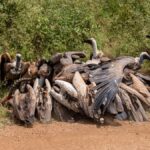
Game drives are the core activity, best done early morning and late afternoon when temperatures drop and animals move to the rivers. Birders should set aside real time here. Meru has recorded over 300 bird species, including palm-nut vultures and the striking Pel’s fishing owl along the rivers.
The rhino sanctuary is worth a dedicated visit, with armed rangers who track individual rhinos daily. Guided walks are available in some sanctuary sections, a rare experience in Kenya’s national parks where walking is usually restricted. Fishing for tilapia and catfish is permitted on the Tana River with a permit from park headquarters, an unusual addition to a Kenyan safari itinerary.
Where to Stay: Lodges and Camps in Meru
Accommodation in Meru splits into three clear price tiers, and knowing them upfront saves a lot of back-and-forth with operators.
| Camp/Lodge | Price Range (per person/night) | Style |
|---|---|---|
| Ikweta Safari Camp | around USD 150 | Simple tented camp, good value, basic comforts |
| Rhino River Camp | USD 300 to 600 | Mid-range tented camp on the Rojoweru River |
| Elsa’s Kopje | USD 950 and up | Luxury lodge built into Mughwango Hill, Elsa’s grave nearby |
These figures are indicative and shift with season, so confirm current rates before booking. There is very little in between these tiers, so decide early whether you want budget simplicity, comfortable mid-range, or the full Elsa’s Kopje experience with its infinity pool views over the plains.
How Many Days Do You Need
Three nights is the practical minimum to justify the drive or flight cost and actually settle into the park’s rhythm. Two nights works if you are combining Meru with another destination and treating it as a shorter add-on. Given how spread out sightings can be, rushing through in a single overnight stop wastes the long journey to get there.
Many repeat visitors combine Meru with a few nights further west, since it pairs well with a Laikipia conservancy stay for repeat visitors, letting you contrast Meru’s wilder, less managed feel with Laikipia’s more curated conservancy model.
Meru vs Samburu vs Masai Mara
This is the comparison most pages avoid making with actual numbers.
| Meru National Park | Samburu National Reserve | Masai Mara | |
|---|---|---|---|
| Distance from Nairobi | 348 km | 325 km | 270 km |
| Typical drive time | 5 to 6 hours | 5 to 6 hours | 5 to 6 hours |
| Fly-in time from Wilson | 60 to 75 min | 45 to 60 min | 45 min |
| Park fee (non-resident adult/day) | USD 52 to 70 (covers Kora, Bisanadi, Mwingi) | approx. USD 100 (indicative) | approx. USD 200 peak season (indicative) |
| Crowd levels | Low | Moderate | High, especially July to October |
| Wildlife visibility | Lower, dense bush | Good, open terrain | Excellent, open grassland |
Samburu gives you similar dry-country species with easier sightings and shorter transfers. The Mara gives you the sheer volume, especially during the wildebeest migration. Meru gives you neither the ease nor the crowds, trading both for solitude. For a first Kenya trip chasing the classic sightings, Samburu or the Mara make more sense, and it is worth reading about first-timer mistakes before booking either. For a second or third trip, Meru’s trade-off starts to look like the point rather than a drawback.
Meru National Park Safari Guide: Entry Fees and Costs
As of 2026, Meru National Park’s KWS entry fee runs USD 52 to 70 per non-resident adult per day, depending on residency category and season, and this single fee also covers access to the adjoining Kora, Bisanadi, and Mwingi reserves if your itinerary includes them. Children pay a reduced rate. Vehicle and camping fees apply separately if you are self-driving rather than joining a guided package. Always confirm current KWS rates before finalizing a budget, since park fees are reviewed periodically.
The Valley Safaris Difference
We do not push Meru on every client. It is not the right fit for a first Kenya trip or a traveler with five days and a long species checklist. What we do is tell you honestly when it fits, usually for guests who already know what a big cat sighting looks like and now want to hear a river at night without another vehicle in sight.
Our guides in Meru have spent years learning the rhythm of the Rojoweru and Tana rivers rather than relying on a radio network, because there often isn’t one to rely on. That means slower mornings, more patience, and moments like a private breakfast set up on a riverbank while elephants cross a few hundred meters upstream. It is a different kind of safari reward, and we plan for it specifically rather than bolting Meru onto a generic itinerary.
Plan Your Meru Safari
If Meru sounds like the right next chapter after your Mara or Samburu trip, we would love to help you plan it properly, including how to combine it with Laikipia or the north. Get in touch through our contact page and we will build an itinerary around what you actually want from this trip.